
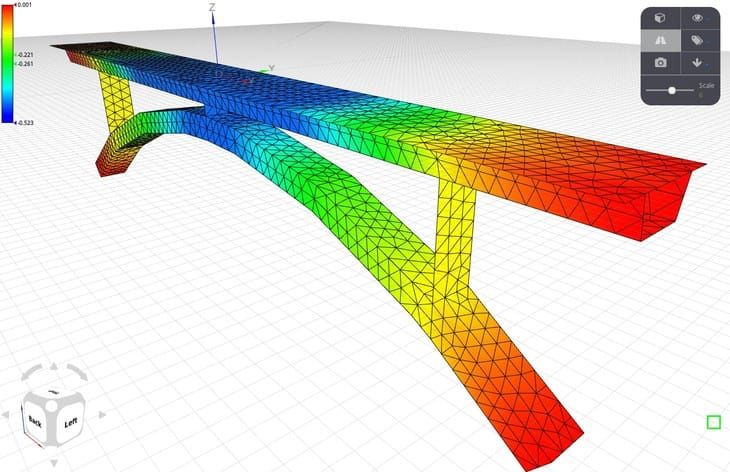
Structural Analysis
Mechanical parts in real use can behave non-linearly because of material conditions, fasteners, assembly errors and applied loads. We analyse parts before they are produced, detect weaknesses and adjust the 3D geometry accordingly.
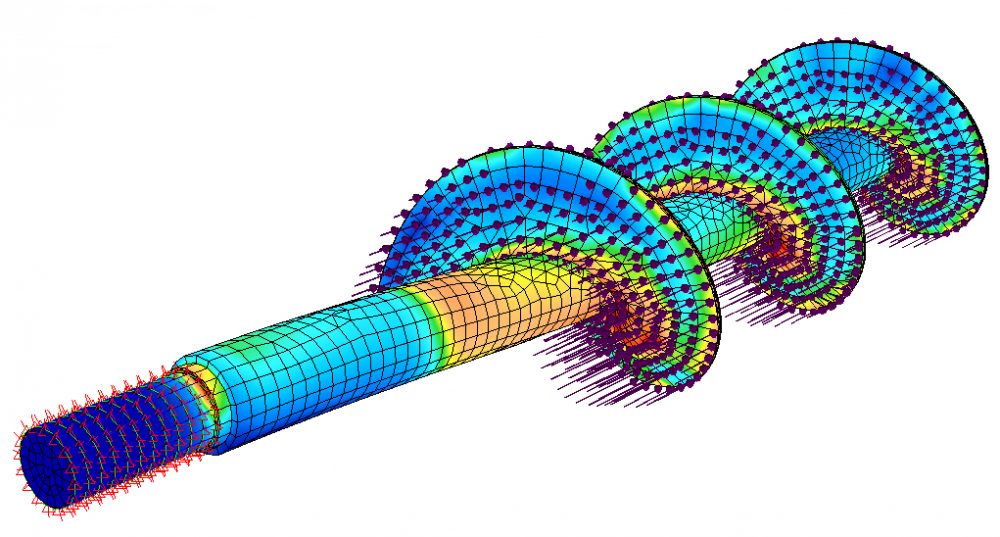
Using the finite element method we determine possible deformations and stresses under static and dynamic loads, define the constraints on the design and optimise the parts.
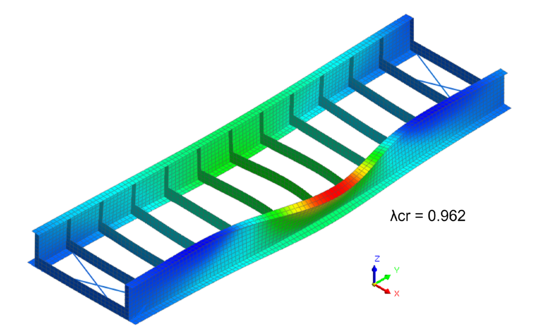
Buckling Analysis
Buckling typically occurs in slender structures. For buckling-critical structures a static analysis is not enough; their safety against buckling must be verified with a buckling analysis. Where failure is caused only by buckling below the yield strength, the Euler method gives very good results.
When buckling and plastic deformation occur together, we run non-linear analyses to model the behaviour of the structure accurately.
Modal Analysis
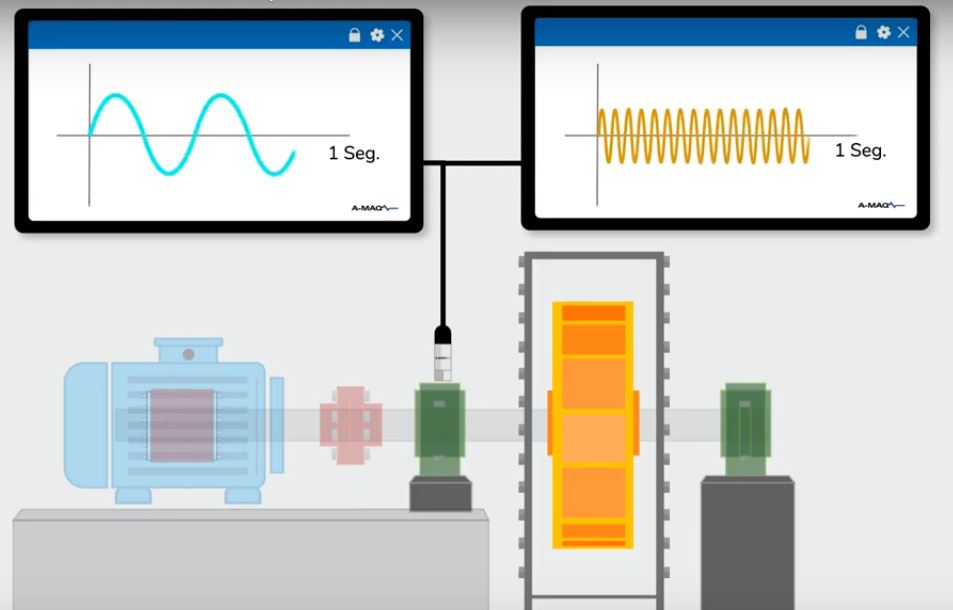
Modal analysis determines the natural frequencies of a structure in order to assess the dynamic stability of the system.
Signal analysis is usually based on Fourier analysis. The resulting transfer function shows one or more resonances whose characteristic mass, frequency and damping ratio can be estimated from measurements. We then propose design improvements to keep these values at optimum levels.
Vibration Analysis
Vibration is the reaction of a machine element to internal and external forces. Because several forces act at once, vibration signals form a complex waveform.
Based on frequency and amplitude parameters, we analyse deformation and strength under non-linear loads.
Fatigue Analysis
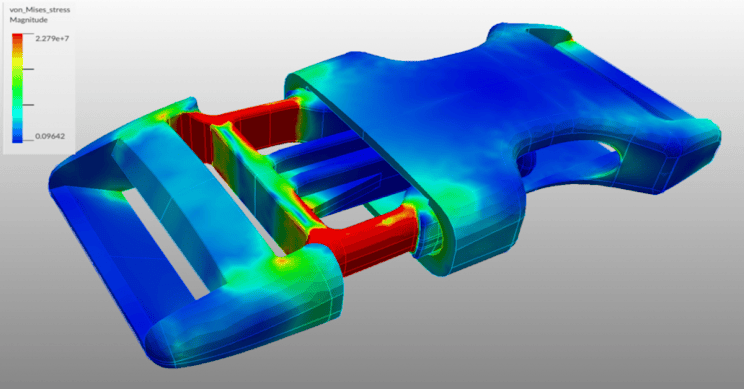
Fatigue analysis predicts the fatigue life of products such as vehicles, aircraft, heavy equipment, electric motors and electronic components. Crack-growth and strength data support informed decisions that protect product integrity and prevent premature failure in service.
We also use fatigue analysis to find out why an existing product fails, so it can be safely redesigned and unexpected damage avoided.
Thermal Analysis
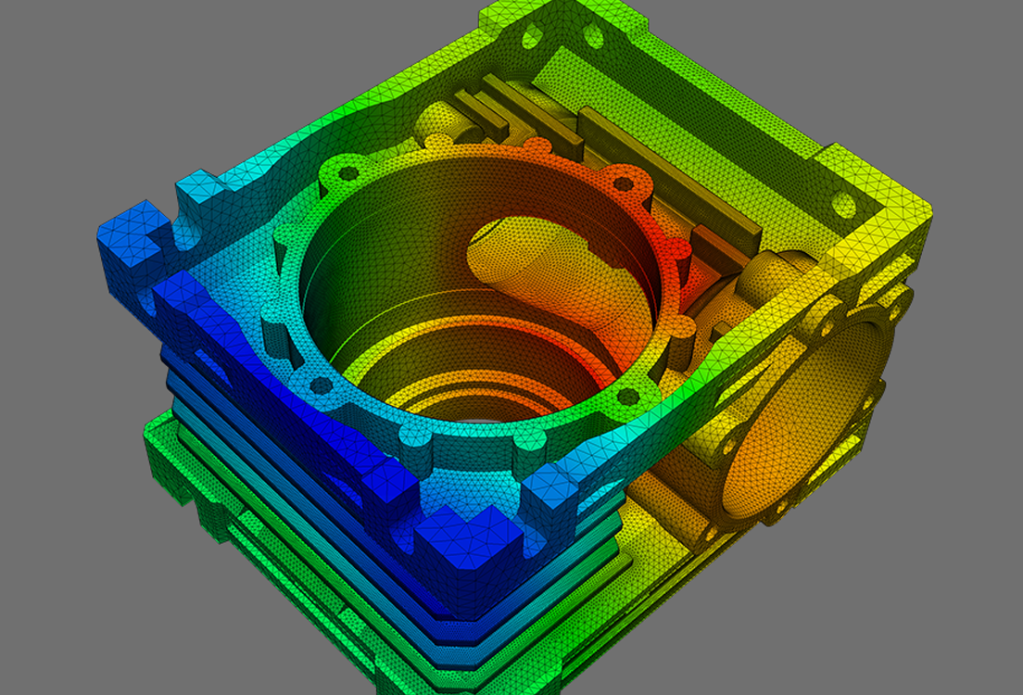
We carry out detailed thermal analyses to investigate and solve problems caused by heat transfer. We evaluate the thermal properties of liquids and gases and the effects of convection, conduction and radiation, supporting product development with innovative design validation.
Flow Analysis (CFD)
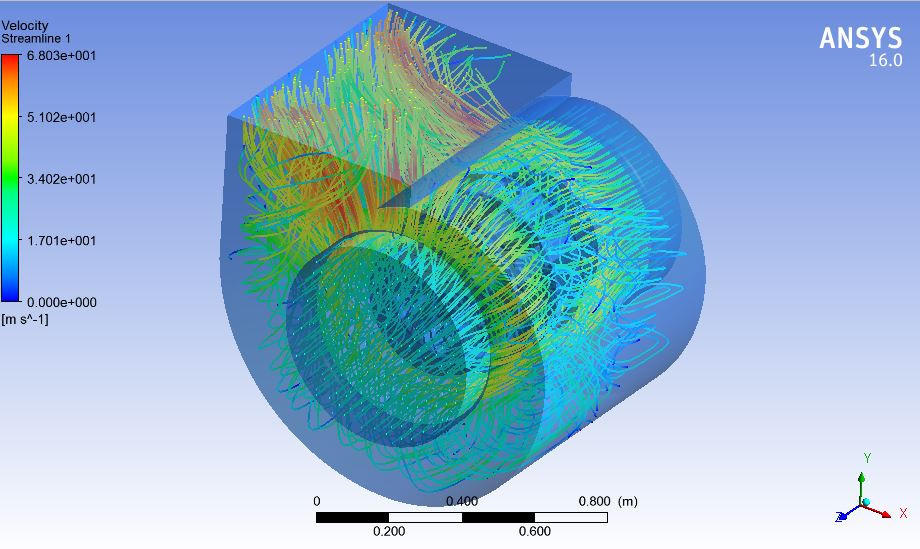
With computational fluid dynamics we model the flow of liquids and gases inside and around your products and systems.
Seeing pressure losses, velocity distribution, turbulence and cooling performance at the design stage lets us optimise pumps, fans, ducts and valves — and, together with thermal analysis, solve heat-management problems.
Let's talk about your project
Write to us with your questions, projects or partnership ideas — we reply within one business day.